
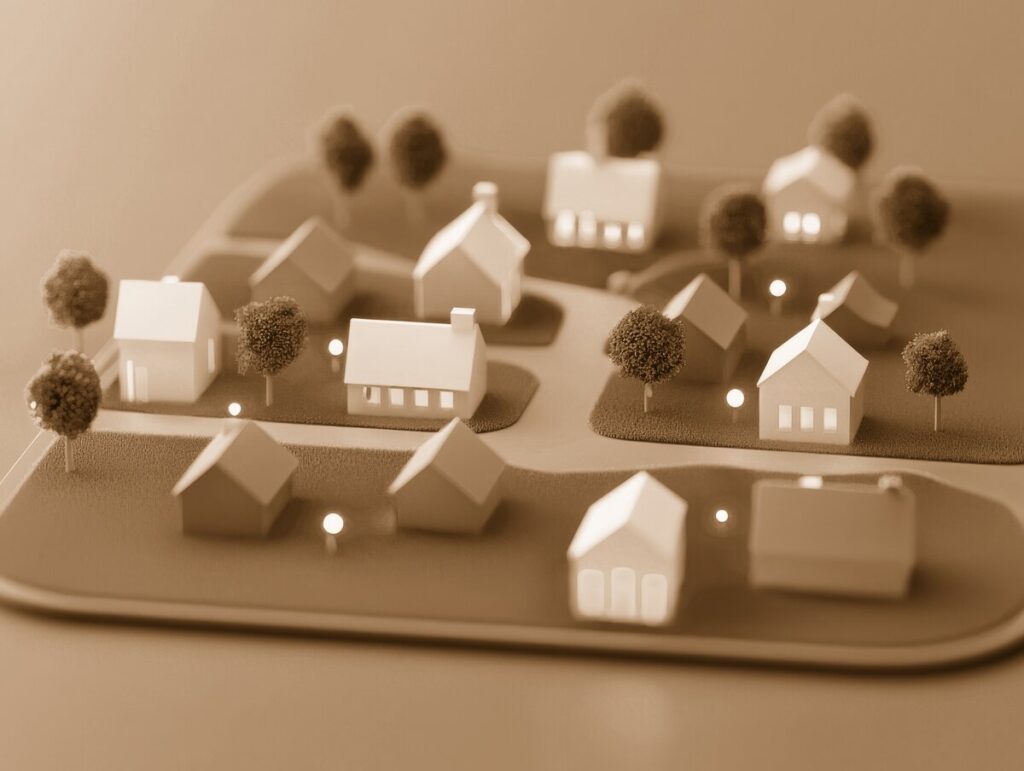
Nestled amidst rolling hills and winding lanes, Roslyn Estates holds a unique place in the tapestry of North Hempstead, New York. With its charming homes, lush green spaces, and storied past, this “Village of the Lanterns” is more than just a neighborhood—it’s a living chronicle of community, heritage, and timeless beauty.
Origins: From Farmland to Model Suburb
The story of Roslyn Estates begins in the early 20th century, a period when the Gold Coast of Long Island was blossoming with grand country homes and elegant villages. The land that would become Roslyn Estates was once farmland, part of sprawling estates that characterized much of Nassau County. As railways made commuting easier, the dream of suburban living attracted visionaries eager to create refined residential enclaves away from the bustle of New York City.
In 1908, the Roslyn Estates Corporation, spearheaded by real estate developer Dean Alvord, began transforming these fields and woods into a residential garden village. Alvord was known for developing neighborhoods with distinctive character—he had already left his mark in Brooklyn’s Prospect Park South and Syracuse’s Strathmore.
Drawing inspiration from the natural beauty of the land, Alvord’s vision was to preserve the existing woodlands and rolling terrain. Curving roads followed the contours of the hills instead of adhering to a strict city grid, lending the area a storybook charm that endures to this day.
Naming the Village: A Nod to Its Roots
The choice of “Roslyn Estates” for the neighborhood’s name drew from the already established and historic village of Roslyn, which lies just to the north. “Roslyn” itself traces its roots to the Scottish word for “a gentle slope”—a fitting tribute to the undulating landscape. The term “Estates” was added to evoke the air of refinement and exclusivity the founders sought to convey.
Incorporated as a village in 1931, Roslyn Estates soon became known for its uniquely designed street lamps, which gave rise to its affectionate nickname: “The Village of the Lanterns.” Even today, strolling the leaf-canopied avenues at dusk, you’ll see the soft glow of these lanterns illuminating winding drives like The Hemlocks and The Intervale.
Milestones and Moments in Time
Roslyn Estates grew steadily throughout the 20th century, mirroring the broader trends of suburban expansion. Key milestones include:
- 1908–1931: Planning and development; initial plots sold and homes constructed, often in Tudor, Colonial Revival, and Mediterranean styles.
- 1931: Official incorporation of the Village of Roslyn Estates, granting residents a greater say in local governance and preservation efforts.
- Post-WWII Boom: The population grew as returning veterans and their families sought the tranquility and charm of the neighborhood’s tree-lined streets.
- 1970s–Present: Ongoing preservation of historic homes and village features, with strict design guidelines to retain the unique character that distinguishes Roslyn Estates from other suburbs.
Notable Landmarks and Institutions
While most of the village is residential, with homes set back from the road amid manicured lawns and mature trees, Roslyn Estates boasts several noteworthy features:
- The “Lantern” Street Lamps: Spaced along the main roads—such as The Oaks and The Birches—these distinctive lamps are both historical and functional, casting a magical glow that is beloved by residents and visitors alike.
- Roslyn Estates Park: Located off Diana’s Trail, this inviting green space is a hub for neighborhood gatherings, children’s play, and quiet enjoyment. Its winding paths and landscaping echo the garden suburb ideals of Dean Alvord’s original plan.
- Nearby Historic Institutions: While Roslyn Estates itself is exclusively residential, it is closely connected to the broader cultural resources of the Roslyn area. The Bryant Library (established 1878) and the Roslyn Landmark Society help to preserve and share the stories of the entire region.
- Architectural Gems: The neighborhood features classic examples of early 20th-century architecture, from stately Tudors on The Serpentine to charming Dutch Colonials on The Close.
A Village of Community Spirit
Roslyn Estates has always fostered a robust sense of community. Annual events, such as the springtime village picnic in Roslyn Estates Park or neighborhood holiday celebrations, bring residents together to strengthen bonds that have endured for generations.
The village association and board remain active in ensuring the community’s safety, beauty, and historic integrity. With a population of just over 1,200, it’s the kind of place where neighbors greet each other by name and local traditions are cherished.
Evolution Over the Decades
The core spirit of Roslyn Estates remains remarkably consistent, even as the decades have brought gentle change. Customary in older, established neighborhoods, newer families find themselves stewards of history—an ethos encouraged by the village’s detailed building codes and preservation efforts.
The tree canopy is matured, giving streets like The Ridge and The Pines a tunnel-like, verdant quality in summer and a riot of color in autumn. The proximity to major highways and the Long Island Rail Road makes commuting convenient, yet the tranquility of the neighborhood feels miles removed from the rush. Schools in the nearby Roslyn School District, with their reputation for excellence, bolster the area’s appeal for families.
Why Residents Cherish Roslyn Estates
Ask any resident what makes Roslyn Estates special, and you’ll hear fond stories of quiet walks in the park, children riding bikes along winding roads, and the golden glow of lanterns at twilight. There’s a profound sense of living history here—not in grandiose monuments, but in the everyday scenery of gardens lovingly tended and homes preserved for new generations.
Roslyn Estates is an enduring reminder that thoughtful design, community spirit, and respect for heritage can create a place where the past and future blend seamlessly—a truly exceptional corner of North Hempstead.